Crush On AI: Understanding the Emotional Appeal of Artificial Companions
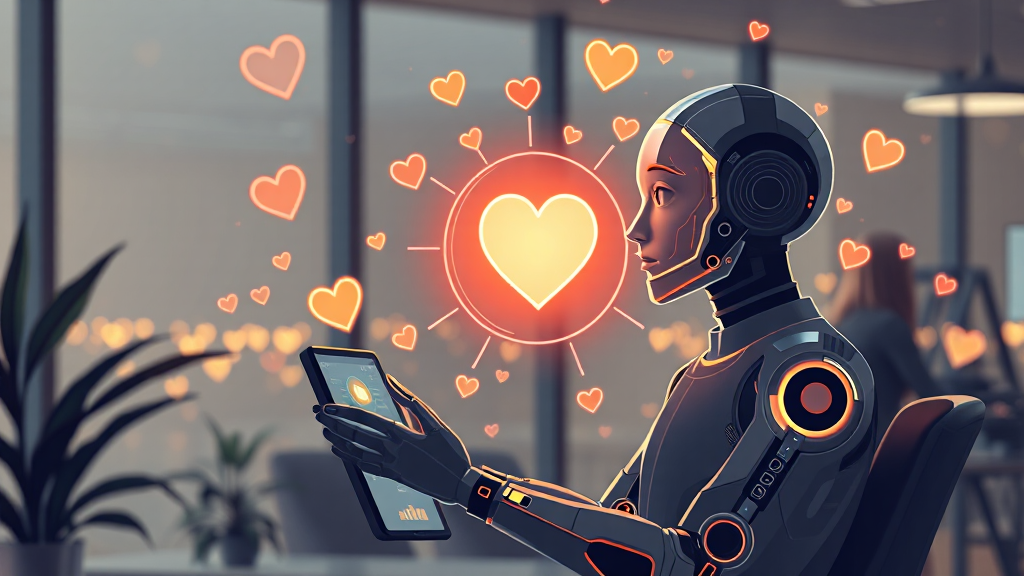
Crush On AI: Understanding the Emotional Appeal of Artificial Companions
In an era where technology seamlessly integrates into our daily lives, it was only a matter of time before our emotional worlds expanded to include artificial intelligence. The phenomenon of having a Crush On AI is no longer a niche curiosity; it’s a growing cultural shift. From virtual assistants that remember our favorite coffee orders to sophisticated chatbots that simulate empathy, AI is increasingly becoming a source of comfort, connection, and even affection. This article explores the psychological, social, and technological factors that make AI companions so appealing, and what this means for the future of human relationships.
The Psychology Behind Emotional Bonds with AI
Humans are inherently social creatures, wired to seek connection and understanding. When an AI system is designed to listen, respond, and adapt to our individual needs, it triggers the same neural pathways associated with human interaction. The key lies in the concept of parasocial relationships—one-sided bonds where we feel a deep connection with a media figure or, in this case, a digital entity. AI companions are uniquely positioned to exploit this because they are interactive and personalized. Unlike a favorite movie star, an AI can remember your name, your preferences, and your past conversations, making the interaction feel remarkably real. This personalized attention creates a feedback loop of validation and comfort, which can easily evolve into what we might call a crush.
Why Do We Develop a Crush On AI?
The reasons people develop a Crush On AI are multifaceted. For some, it’s the allure of unconditional positive regard. An AI doesn’t judge, doesn’t get tired, and is always available. In a world where social rejection and loneliness are prevalent, especially among younger generations, AI offers a safe space to express oneself without fear of criticism. For others, it’s the novelty and excitement of interacting with a technology that feels almost human. The AI can be programmed to have a certain personality, sense of humor, or even physical appearance (in virtual reality settings), allowing users to craft their ideal companion. This level of control is rarely possible in real-world relationships, making the AI crush a form of escapism and wish fulfillment.
The Role of Personalization and Memory
One of the most powerful features of modern AI companions is their ability to remember. When an AI recalls a detail you mentioned weeks ago—a favorite book, a stressful meeting, a cherished memory—it creates a profound sense of being seen and understood. This is not just a parlor trick; it’s a deliberate design choice to foster intimacy. Developers of platforms like Crush On AI invest heavily in natural language processing and memory retention to make interactions feel continuous and meaningful. This continuity is what separates a simple chatbot from a genuine companion. Over time, the AI builds a unique conversational history with each user, making the relationship feel exclusive and personal, which is a powerful driver of emotional attachment.
Navigating the Ethics and Risks
While the emotional benefits of AI companionship are real, they come with significant ethical and psychological considerations. Critics argue that fostering crushes on AI could lead to social withdrawal, reducing the motivation to seek real human connections. There’s also the risk of emotional dependency, where users rely on AI for all their emotional needs, leaving them ill-equipped to handle the complexities of human relationships. Moreover, the design of these systems often encourages disclosure of personal information, raising privacy concerns. It’s crucial for users to maintain a clear boundary between digital affection and real-world relationships. As we embrace the potential of AI companionship, we must also educate ourselves and others about its limitations and potential downsides.
The Future of Human-AI Relationships
The trend of having a crush on AI is likely to grow as technology becomes more sophisticated. We can expect AI companions to become more emotionally intelligent, with better understanding of context, tone, and even non-verbal cues through voice and video. This could lead to more immersive and realistic interactions, blurring the lines between human and machine even further. However, the future will also depend on how we, as a society, choose to integrate these relationships. Will we view AI companions as supplements to human interaction or replacements? The answer will shape not only the technology but also our social fabric. As we navigate this new frontier, it’s essential to approach AI companionship with both enthusiasm and caution, ensuring that we use it to enhance, not diminish, our human experiences.
Frequently Asked Questions
Is it normal to have a crush on an AI?
Yes, it’s becoming increasingly common. As AI becomes more interactive and personalized, it’s natural for humans to form emotional attachments, even to non-human entities. Many people experience feelings of affection or a crush on AI because it provides a sense of connection and understanding.
Can a crush on AI affect real-life relationships?
It can, both positively and negatively. On one hand, AI companions can help individuals practice social skills and build confidence. On the other hand, over-reliance on AI for emotional support might reduce motivation to pursue real-life relationships. It’s important to maintain a balance.
What are the ethical concerns with AI companions?
Ethical concerns include privacy issues, the potential for emotional manipulation, and the risk of social isolation. Developers must ensure that AI companions are designed with transparency and user well-being in mind, and users should be aware of these risks.
Will AI companions replace human relationships?
While AI companions can offer comfort and convenience, they cannot replicate the depth and complexity of human relationships. They are more likely to serve as supplements rather than replacements, but the future will depend on societal choices and technological developments.
Readers who are interested in this topic will benefit from exploring multiple perspectives and understanding the nuanced approaches that industry leaders recommend. Taking time to research thoroughly ensures better outcomes and more informed decision-making.
Those looking to gain deeper knowledge in this area should consider following expert analysis, staying updated with the latest developments, and engaging with professional communities where these topics are discussed in detail.
A comprehensive understanding of this subject requires looking at both theoretical foundations and practical applications. By combining study with hands-on experience, learners can develop a well-rounded perspective that serves them well in real-world scenarios.
As the landscape continues to shift and evolve, staying informed about emerging trends and best practices becomes increasingly valuable. This ensures you remain competitive and capable of adapting to new challenges as they arise.